Introduction
There's a fundamental difference between knowing about something and understanding it. A child can read fifty pages about magnetism, watch demonstrations, and answer comprehension questions — yet still not truly understand how magnets work. But place a magnet in their hand, let them experiment freely, watch pins snap to it unexpectedly, try to repel two magnets together — and suddenly they know.
This is the difference between passive learning and active discovery. And it's become increasingly rare in modern education.
The shift toward worksheets, slides, and recorded instructions has created a troubling gap: we're producing students who can regurgitate information without developing genuine understanding or confidence in their own ability to learn.
Can Do Kids exists precisely because we believe this doesn't have to be the case.
Learning Through Your Hands
Why Physical Engagement Matters
The human brain learns best through active engagement, exploration, and discovery. When children do something — investigate it, create it, perform it, engage with it genuinely — their brains activate differently than when they passively receive information, regardless of the medium.
This isn't just preference. It's neuroscience.
When a student reads about a country in a textbook, limited brain regions activate. But when that same student explores a country's geography, listens to its music, considers how its people live, and engages with its culture — the brain activates more comprehensively. Multiple memory systems engage. Context builds. Understanding deepens.
The Problem With Observing Instead of Doing
Hands-on engagement builds confidence and real understanding
A pervasive educational trap: watching someone else do something while you take notes.
A student watches a video of a science experiment while completing a worksheet about the expected results. They haven't done anything. They haven't formed a hypothesis, designed a test, faced an unexpected result, or problem-solved their way through failure. The learning is shallow, easily forgotten, and doesn't build capability.
Compare this to a student who carries out the experiment themselves. They make mistakes. They discover that their hypothesis was wrong. They adjust. They try again. This struggle, this direct engagement with reality, creates memory pathways that last.
The difference between education that feels like it's working (because it's measurable and recordable) and education that actually works (because it builds genuine understanding) often comes down to this: are students doing, or just observing?
The Brain Science of Doing
Memory Formation and Motor Learning
Neuroscience research consistently shows that information is retained longer and recalled more accurately when it's paired with physical action. This is called motor learning or embodied cognition.
When you read about playing a drum, your auditory and language centers activate. When you actually play a drum — feeling the vibration, controlling the force, adjusting your technique, hearing the immediate feedback — your motor cortex, sensory cortex, auditory cortex, and prefrontal cortex all activate together. The information gets wired into your brain through multiple pathways.
This is why musicians remember complex pieces after years of not practicing, while students who crammed information for an exam often can't recall it weeks later.
Confidence Through Competence
There's another crucial element: agency. When students create, discover, or build something themselves, they develop genuine confidence in their own ability to learn.
A student who completes a worksheet might get a good mark, but internally, they know the answer came from the teacher's instruction, not from their own thinking. There's no real confidence there.
A student who investigates a country, asks real questions, finds answers, and builds understanding through that process develops something different: a sense that they can learn. That they're capable. That the world is something they can explore and understand.
This confidence is foundational. It's the difference between a student who approaches new challenges thinking "I might be able to figure this out" versus "I'll wait for the teacher to explain it."
Music, Culture, and Real Discovery
Why Music Bridges Understanding
Music is inherently practical. You cannot learn to play an instrument from a worksheet. You cannot understand rhythm from a slide. You cannot truly appreciate a musical tradition without listening, engaging, and ideally, participating.
This is why music education — real music education, not music appreciation through lectures — is so transformative. When students engage with music from different cultures, they're not just learning facts about those cultures. They're connecting emotionally. They're developing empathy. They're engaging their entire sensory system in the learning process.
Music opens doors to culture, understanding, and genuine connection
When a student engages with a piece of music from Brazil, learns about its origins, understands its cultural significance, and perhaps even attempts to play it or move to it — they're building knowledge through multiple sensory channels simultaneously. That knowledge sticks in ways that reading about Brazilian music never could.
Learning Through Stories and Perspectives
Real learning also happens through narrative and perspective. When students encounter people from different places — real people with real stories, real interests, and real voices — geography transforms from abstract information into something meaningful.
A "fact" about India (population, capital, climate) sits isolated in a student's mind. But when they encounter a musician from India, learn about their journey, hear the music they play, understand why they chose their instrument — India becomes real. It becomes a place with people in it. That context makes all the other facts meaningful.
When Learning Connects to the World
Authentic Exploration vs. Academic Coverage
There's a crucial distinction between covering curriculum and genuinely exploring it.
Coverage means moving through topics at a pace determined by the schedule. Students encounter information, complete assessments, and move on. Learning is shallow by necessity — there's too much to cover.
Exploration means diving deeper into topics that matter, asking real questions, and pursuing genuine understanding. Learning is slower but far more meaningful.
The irony is that students who explore deeply often end up with better coverage anyway, because knowledge that's genuinely understood gets applied and extended naturally. But that's a secondary benefit. The primary benefit is that learning actually happens.
The Role of Curiosity
Hands-on learning succeeds because it leverages something powerful: human curiosity. When students are genuinely engaged in discovering something, their brains are primed for learning. Neural reward systems activate. Attention is focused. Memory formation is enhanced.
This stands in sharp contrast to passive learning, where students must manufacture motivation because the activity itself isn't intrinsically interesting. The content is predetermined, the questions are answered by someone else, and discovery isn't possible — just reception.
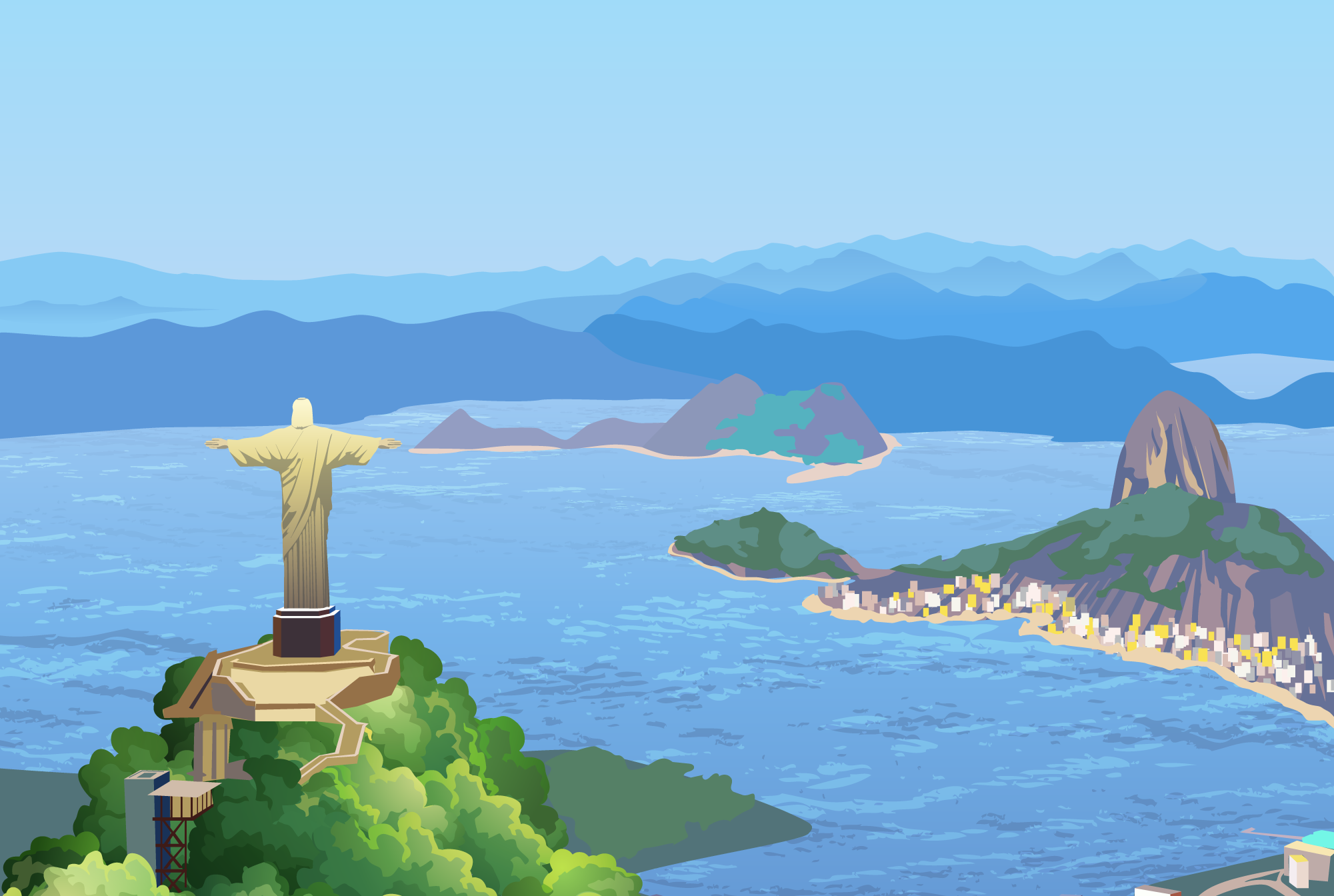
Real exploration taps into natural curiosity and creates lasting learning
How Can Do Kids Approaches Learning Differently
We designed Can Do Kids around hands-on, authentic learning experiences because we understand this gap. Our approach prioritizes:
Real Exploration Over Information Transfer
When students explore a country with Can Do Kids, they're not reading pre-written facts. They're investigating genuine questions: What is the geography? Who lives there? What's their music like? What challenges do they face? What can we learn from them?
This investigation process is the learning. The knowledge emerges through engagement, not through transmission.
Creative Expression and Performance
Music, art, performance — these aren't extras or rewards. They're central to learning because they engage students in a fundamentally different way than passive consumption. When a student performs, they're fully present. When they create, they're thinking. When they express, they're learning.
Cultural Connection Through Real People
The Can Do Kids Band exists because learning about people is different from learning about places. Our band members have personalities, stories, instruments, and perspectives. They're not stereotypes — they're musicians who authentically bring their cultures into their music, and students learn through that genuine artistic expression rather than explanation.
Practical Skills Through Sustained Engagement
Genuine skill development requires sustained, hands-on practice. Whether it's musical skills, creative skills, research skills, or communication skills — they develop through doing, not through instruction.
The Case for Reclaiming Hands-On Education
We live in an age where information is infinitely available. Any fact can be looked up instantly. The skill that matters now isn't memorization — it's the ability to explore, understand, and apply.
This requires hands-on learning. It requires students to engage directly with problems, people, places, and possibilities. It requires time for genuine discovery rather than rushed coverage.
It requires educators and schools to make a deliberate choice: that depth and understanding matter more than checking boxes, and that the best way to learn is often the oldest way — through direct engagement with the world.
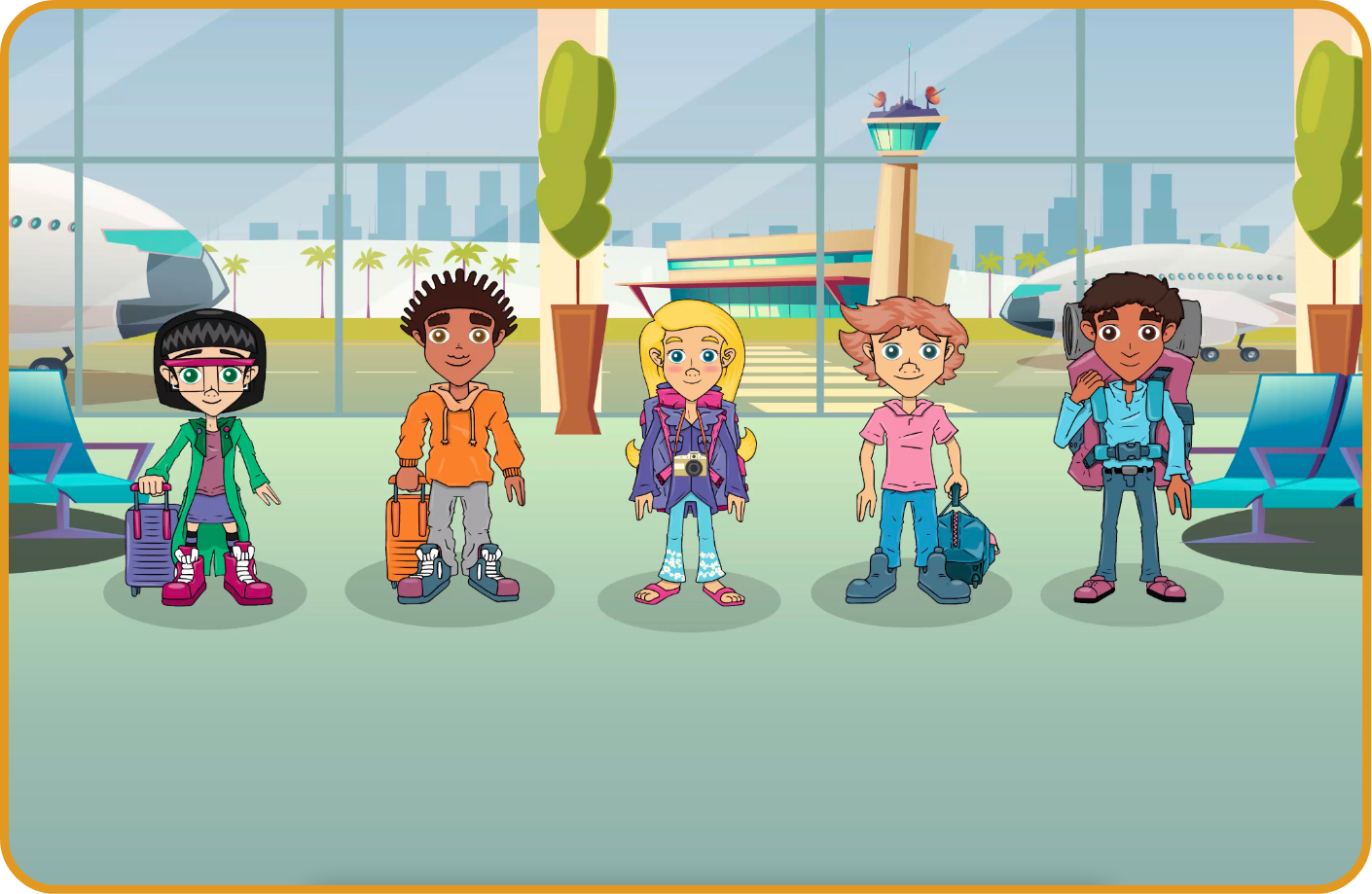
Learning through exploration and discovery
Conclusion: Learning That Lasts
The worksheets will fade from memory. The PowerPoint slides will blur together. But a student who discovered something, created something, or explored something? That learning sticks. That understanding becomes part of how they see the world.
That's the kind of learning Can Do Kids is built for. Not coverage, but understanding. Not passive reception, but active discovery. Not information transfer, but genuine engagement.
Because that's the learning that actually matters.
Classroom Activity Idea
Have students explore a country from the Can Do Kids Worldwide globe and share 3 interesting facts they discover about its culture, geography, or people.
Extension: Students create a simple drawing or write a short paragraph about what they learned and present it to the class.