Some places are so powerful, so massive, or so unique that they stop you in your tracks. Natural landmarks like towering mountains, deep canyons, and glowing coral reefs are more than just beautiful sights. They open up real-world lessons in geography, science, and culture, helping students connect what they learn to the world they live in.
These six unforgettable landmarks are perfect examples of how nature can both inspire and spark curiosity.
1. Grand Canyon, USA
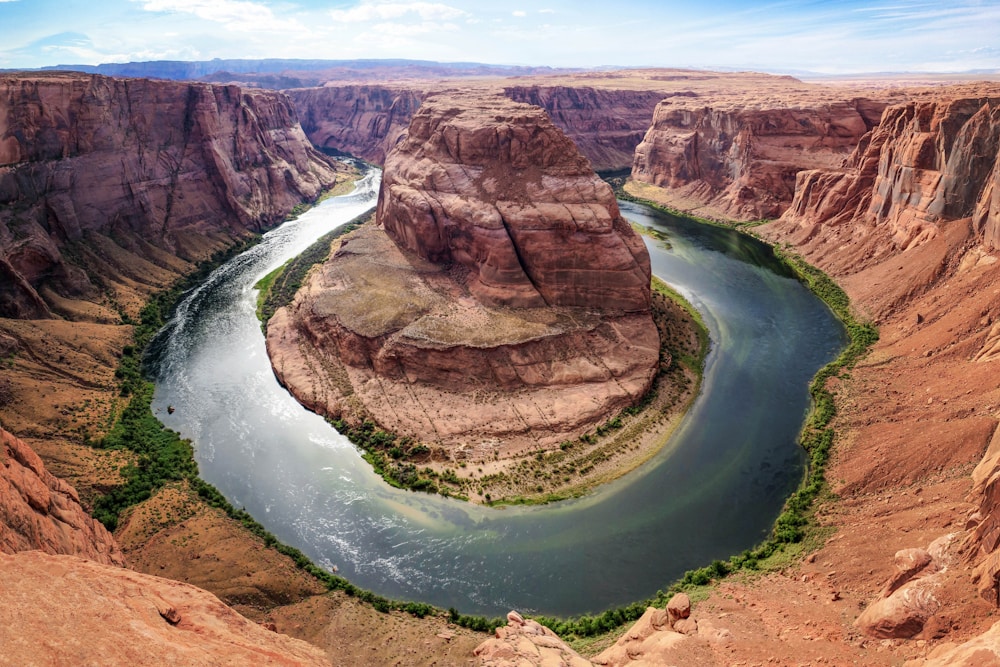
Located in the state of Arizona, the Grand Canyon stretches 446 kilometres (277 miles) long and over 1,800 metres (5,900 feet) deep. It was carved by the Colorado River over millions of years, revealing colourful layers of rock that tell a story of Earth's geological past. This landmark helps students learn about erosion, rock formation, and how rivers shape the land over time.
2. Mount Everest, Nepal
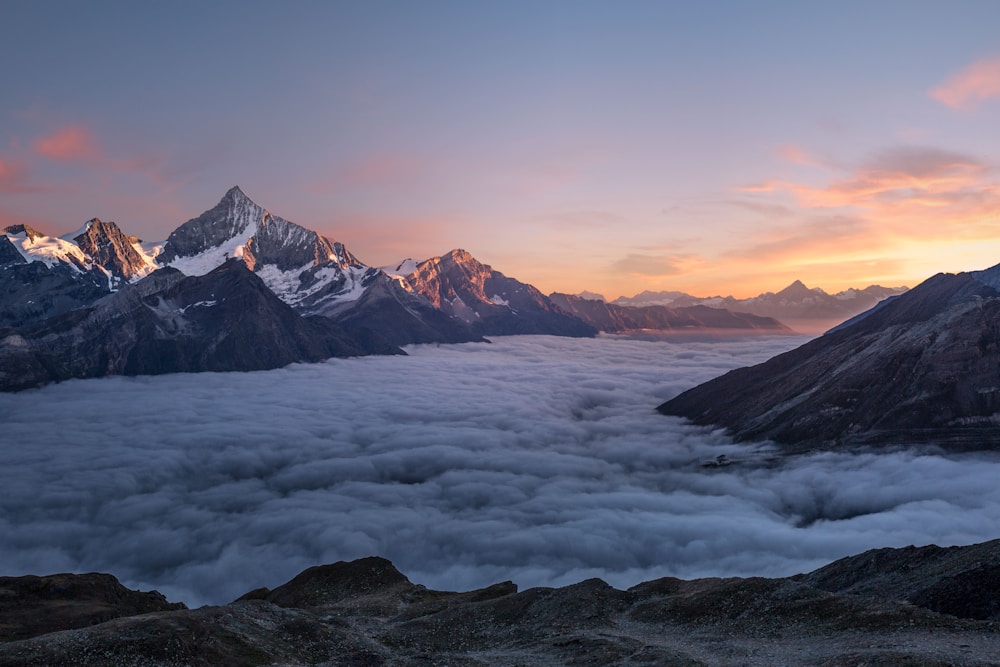
Mount Everest, the tallest mountain on Earth, stands at 8,848 metres (29,029 feet) above sea level in the Himalayas. It is part of the boundary where the Indian and Eurasian tectonic plates meet. Students can explore how mountains are formed, what it's like to live at high altitude, and how climbers prepare to survive in extreme conditions. Everest also offers a chance to learn about the culture of the Sherpa people who live nearby.
3. Great Barrier Reef, Australia

The Great Barrier Reef is the world's largest coral reef system, made up of over 2,900 individual reefs and 900 islands. It stretches more than 2,300 kilometres (1,430 miles) along Australia's northeastern coast. Home to thousands of marine species, this reef is a vibrant example of ocean ecosystems and biodiversity. It also teaches about the importance of conservation and the impacts of climate change.
4. Zhangjiajie National Forest Park, China
This park in the Hunan Province is famous for its tall, pillar-like rock formations that rise through the mist and greenery. These natural towers were formed by erosion and weathering over millions of years. Zhangjiajie inspired the floating mountains in the film Avatar and is a great way to explore forest ecosystems, sandstone geology, and the beauty of protected natural areas.
5. Victoria Falls, Zambia/Zimbabwe
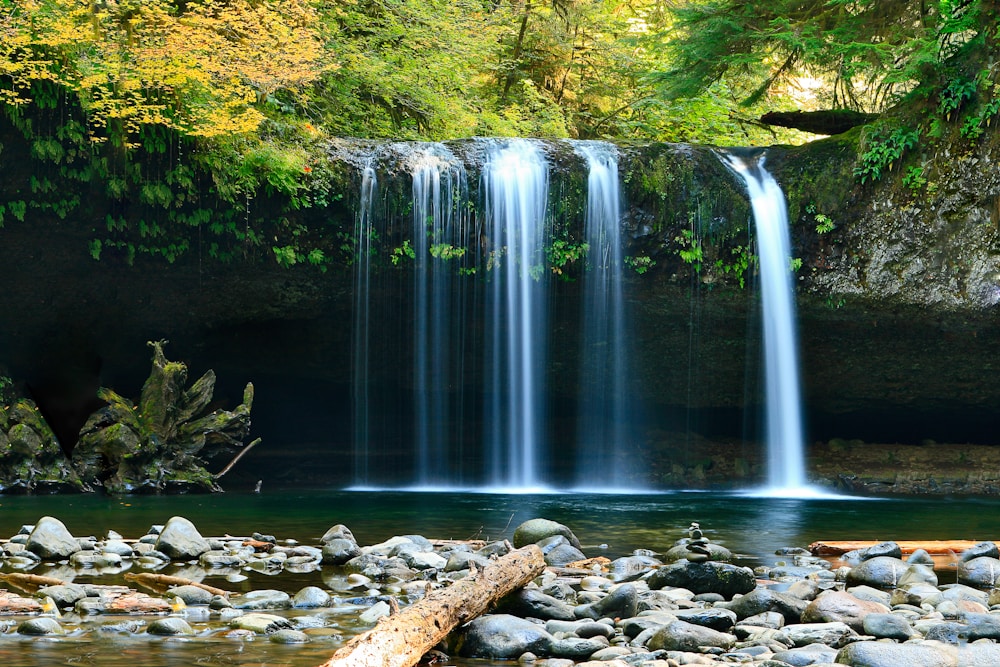
Victoria Falls is one of the world's largest waterfalls, measuring over 1.7 kilometres (1.06 miles) wide and 108 metres (354 feet) high. It is part of the Zambezi River and creates a powerful spray that can be seen from kilometres away. The falls are a great example of how rivers shape the land and support surrounding ecosystems. They also offer a chance to learn how natural features can form borders and hold cultural significance.
6. Milford Sound, New Zealand
Milford Sound is a dramatic fjord located on New Zealand's South Island. Formed by glaciers during the Ice Age, it features steep cliffs, lush rainforests, and cascading waterfalls like Stirling and Bowen Falls. This landmark helps students understand glacial landscapes, the power of ice in shaping valleys, and the rich biodiversity found in temperate rainforests.
Why Natural Landmarks Matter
Each natural landmark helps students see the world in new ways. From understanding how mountains rise to why some places are full of life and others are almost lifeless, these real-world examples make geography exciting, memorable, and meaningful.
Discover these landmarks with Can Do Kids Worldwide
Explore interactive stories, quizzes, and activities about natural wonders from every continent.
Classroom Activity Idea
Have students explore a country from the Can Do Kids Worldwide globe and share 3 interesting facts they discover about its culture, geography, or people.
Extension: Students create a simple drawing or write a short paragraph about what they learned and present it to the class.