Introduction
"I can't do this" versus "I can do this" — these five words represent more than just attitude. They reflect fundamentally different brain patterns that either open or close pathways to learning. Can do kids aren't just more optimistic; they're neurologically wired for success through consistent positive reinforcement and growth-oriented thinking.
The science is clear: children who embrace a can-do mindset don't just feel better about learning — they actually learn better, faster, and more deeply.
The Neuroscience of Can Do
How Positive Mindset Affects the Brain
When children approach challenges with a "can do" attitude, their brains respond differently than those operating from a fixed mindset:

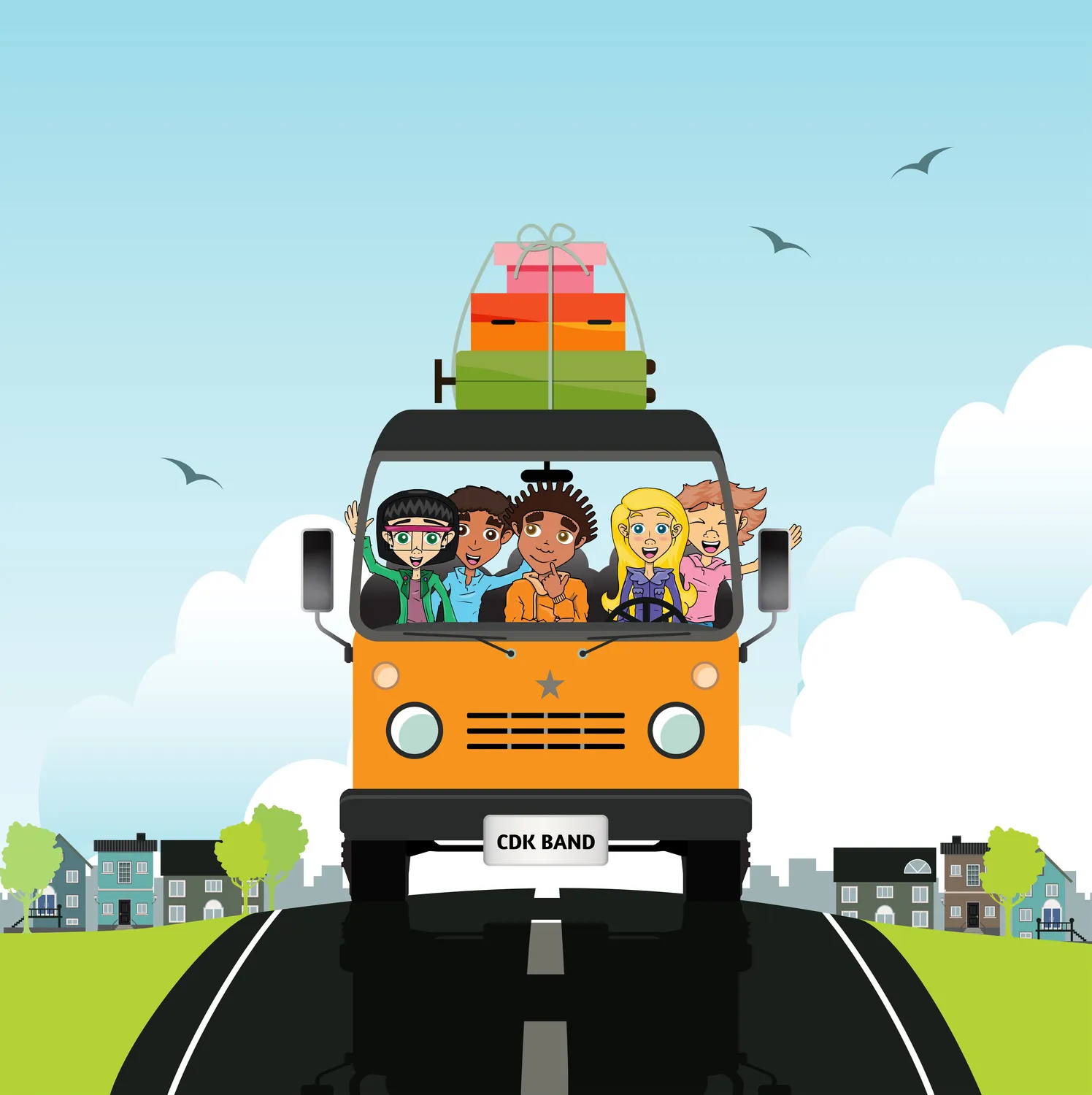
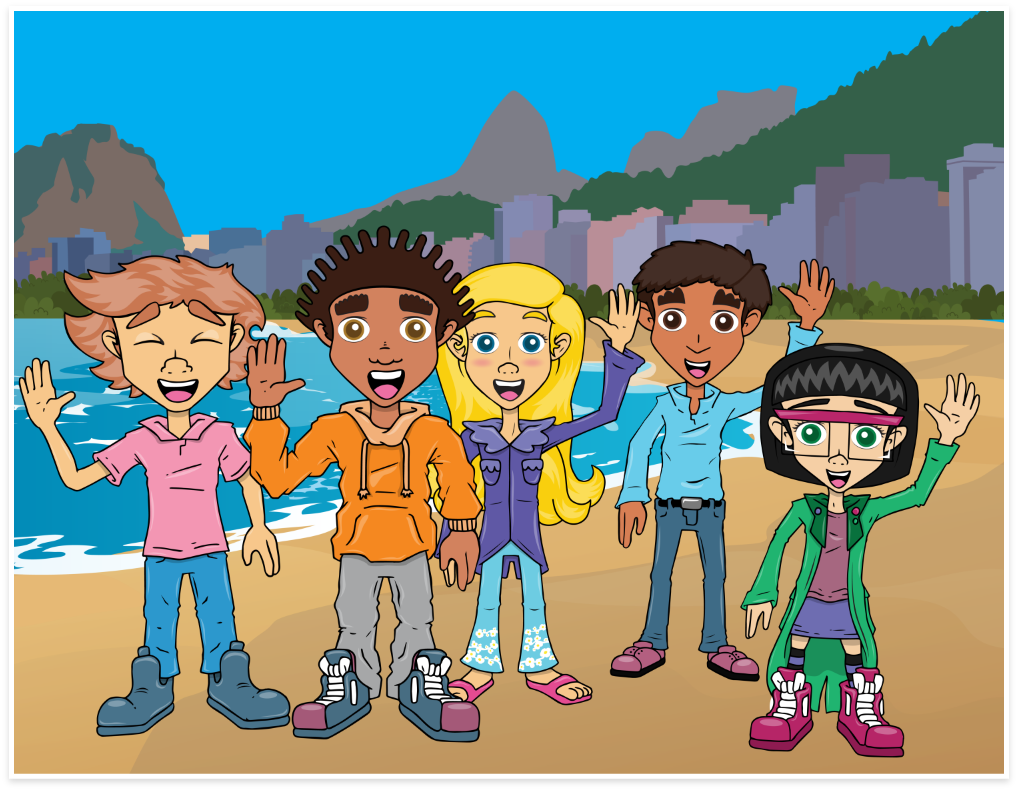
The Can Do Kids Band - Ace, Amy, Lin, Oz, Ravi, and Detail model positive learning attitudes
Increased Neuroplasticity
Positive thinking activates regions of the prefrontal cortex associated with problem-solving and creative thinking. This mental state enhances neuroplasticity — the brain's ability to form new neural connections. Can do kids literally build stronger learning pathways.
Reduced Stress Hormones
Fear-based learning ("I can't do this") triggers cortisol release, which impairs memory formation and retrieval. A can-do approach reduces stress hormones, allowing the hippocampus to function optimally for encoding new information.
Enhanced Dopamine Release
Success experiences, no matter how small, trigger dopamine — the brain's reward chemical. Can do kids experience more frequent dopamine releases, creating a positive feedback loop that makes learning inherently rewarding.
The Growth Mindset Connection
Dr. Carol Dweck's groundbreaking research on growth mindset aligns perfectly with can-do thinking. Students who believe abilities can be developed through effort (growth mindset) consistently outperform those who view intelligence as fixed. Can do kids embody this growth mindset in action.

Can Do Kids exploring Australia - where learning adventures begin
Research Evidence: The Data Behind Can Do
Academic Performance Studies
Multiple longitudinal studies demonstrate the impact of positive self-efficacy on learning outcomes:
- Students with high self-efficacy score 12-15% higher on standardized tests (Stanford University, 2023)
- Can-do attitudes predict math and reading achievement better than IQ scores in elementary students (Journal of Educational Psychology, 2024)
- Growth mindset interventions improve grades by an average of one-third of a letter grade (Meta-analysis, 2025)
Resilience and Persistence
Can do kids show dramatically different responses to challenges:
- 73% more likely to persist after initial failure
- 2.5x more attempts before seeking help
- 45% faster recovery from setbacks
- Higher likelihood of choosing challenging over easy tasks
Long-Term Success Indicators
The benefits extend far beyond classroom walls:
- Students with can-do attitudes show higher career satisfaction in adulthood
- Greater social and emotional wellbeing scores
- Increased likelihood of pursuing higher education
- Better stress management and coping strategies
Real-World Impact: Can Do Kids in Action
Case Study: Geography Through Exploration
At Can Do Kids Worldwide, we've observed transformational changes when students approach learning with curiosity rather than anxiety.
Traditional Approach:
"I'm bad at geography. I can never remember country names."
Can Do Approach:
"I'm becoming a world explorer! Today I'll discover three new facts about Brazil."

Students discover Brazil's vibrant culture through interactive learning
Students using the can-do framework through our platform show:
- 89% engagement rate with country exploration activities
- Average of 6.2 countries explored per student (exceeding expectations)
- Strong retention of cultural and geographical facts weeks later
- Voluntary pursuit of additional learning resources
The Power of Character-Driven Learning
Our Can Do Kids Band — Ace, Amy, Lin, Oz, Ravi, and Detail — model can-do attitudes through their virtual world tour. Students don't just learn about Australia, Canada, or Japan; they learn how to approach new challenges with curiosity and confidence.
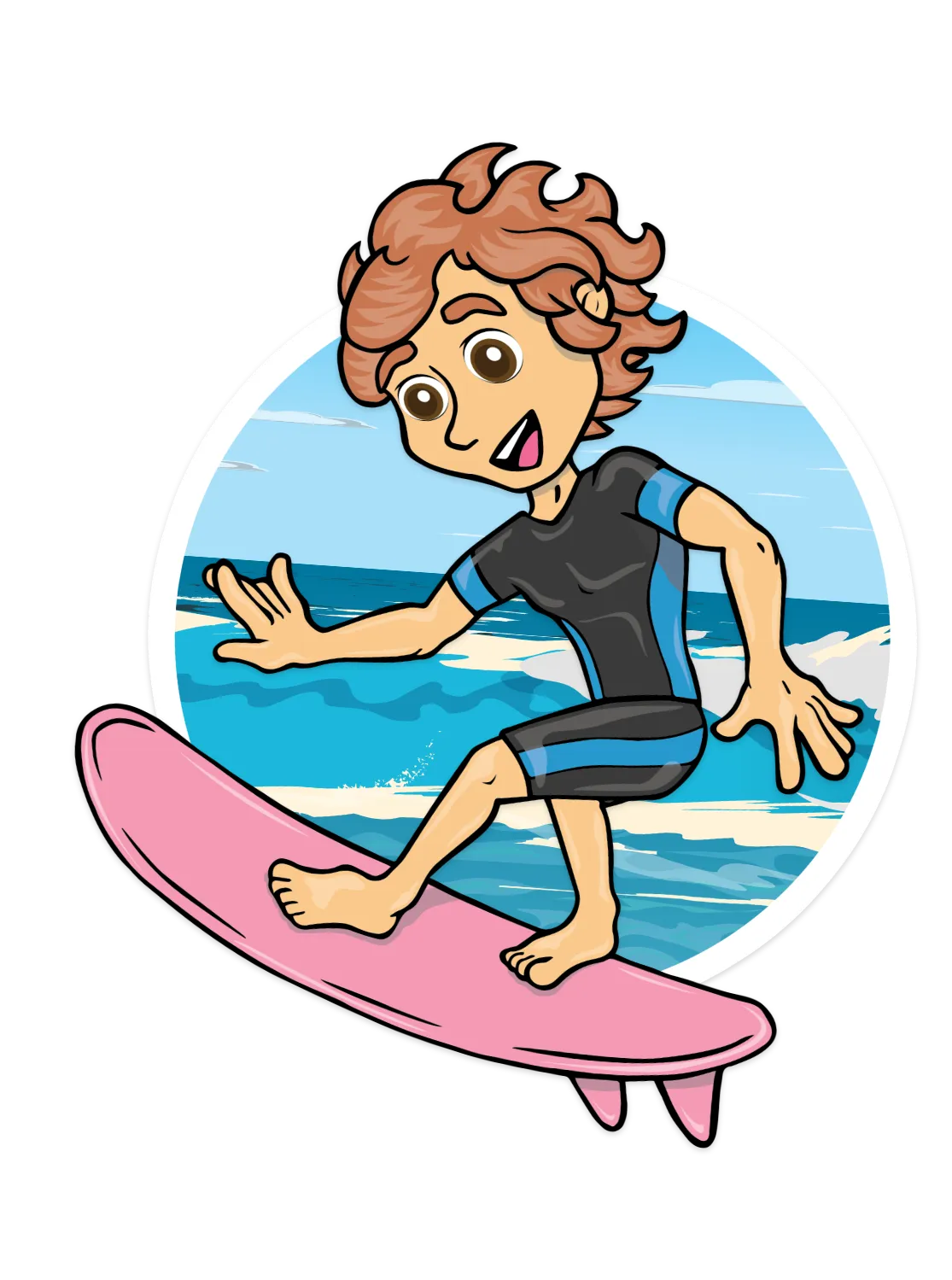
Oz from England loves adventure and shows kids how collaborative learning makes challenges easier
Each band member demonstrates different aspects of can-do thinking:
- Ace (Australia): Embracing new experiences
- Amy (USA): Creative problem-solving
- Lin (China): Persistent practice
- Oz (England): Collaborative learning
- Ravi (India): Curiosity and questioning
- Detail (Brazil): Attention and thoroughness
Practical Applications: Cultivating Can Do Kids
For Teachers
1. Language Matters
Replace fixed mindset language with growth language:
- ❌ "You're so smart!" → ✅ "Your effort really paid off!"
- ❌ "This is too hard for you" → ✅ "This is challenging right now"
- ❌ "You're not good at this" → ✅ "You're still learning this skill"
2. Celebrate Process Over Product
Amy from the USA demonstrates creative problem-solving and learning from mistakes on her adventures
Recognize:
- Strategies students tried
- Persistence through difficulty
- Learning from mistakes
- Improvement over time
3. Create Safe Failure Zones
- Frame mistakes as "learning opportunities"
- Share your own learning struggles
- Reward risk-taking and experimentation
- Remove stigma from getting answers wrong
4. Use Exploratory Learning

Discovering Japan through games, quizzes, and cultural exploration
Platforms like Can Do Kids Worldwide naturally encourage can-do attitudes by:
- Allowing self-paced exploration of 12 countries
- Providing multiple ways to engage (quizzes, games, videos)
- Rewarding curiosity with badges and achievements
- Connecting learning to real-world contexts
For Parents
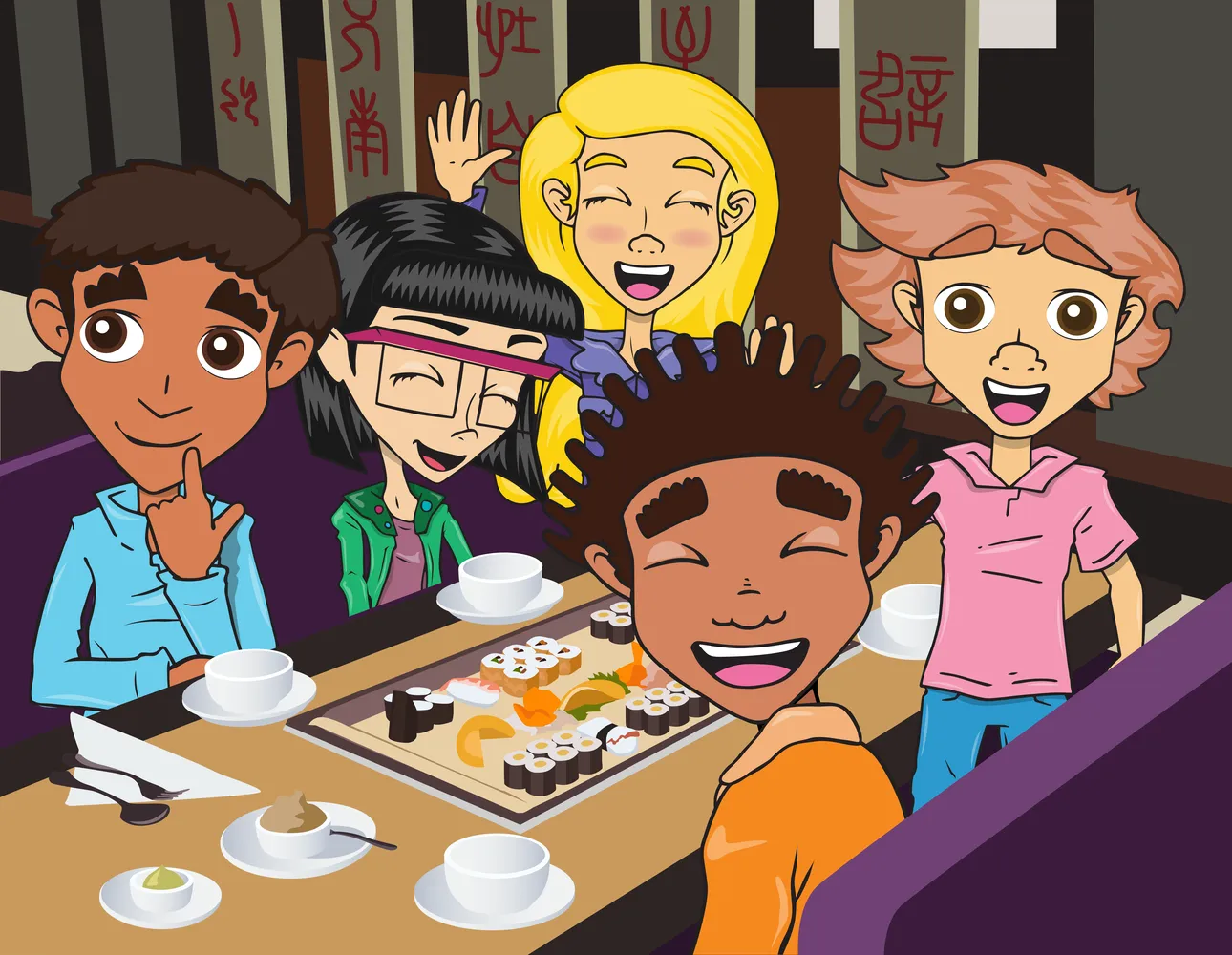
Ravi from India embodies curiosity and the joy of asking questions - always eager to try new things!
1. Model Can-Do Thinking
Children learn attitudes from observation. When you face challenges, verbalize your can-do thinking:
- "This recipe is new to me, but I can learn how to make it!"
- "I made a mistake, but now I know what to do differently"
2. Avoid Praise That Creates Fixed Mindset
Focus on effort, not innate ability:
- Instead of "You're so talented," try "You practiced so much!"
- Instead of "You're naturally good at this," try "Your strategy worked!"
3. Normalize Challenge
- Don't rush to rescue when things get hard
- Ask "What could you try?" instead of immediately solving
- Share stories of successful people who overcame failures
- Use our 12-country exploration as a family learning journey
4. Create Learning Adventures

Families explore India together through CanDoKids adventures
Transform passive consumption into active exploration:
- "Let's discover Brazil together!" (not "Let's watch a video about Brazil")
- "What can we find out about Japan's culture?" (not "Here are facts about Japan")
- Use CanDoKids platform as a springboard for family discussions
The Can Do Kids Framework
Ace from Australia shows kids how to embrace new experiences with confidence and adventure
At Can Do Kids Worldwide, we've designed our entire platform around fostering this positive learning mindset:
1. Choice and Agency
Students choose which countries to explore, creating ownership over their learning journey.
2. Multiple Entry Points
Quizzes, word searches, crosswords, picture videos, and music books ensure every child finds their learning style.
3. Progressive Challenge
Activities scale in difficulty, ensuring students always work in their "can do" zone — challenging but achievable.
4. Immediate Feedback
Positive reinforcement and constructive feedback help students adjust strategies without fear of judgment.
5. Real-World Connection
Learning about Australia, India, Mexico, or any of our 12 countries connects to the real world, making knowledge meaningful.
6. Character Development
The Can Do Kids Band models resilience, curiosity, teamwork, and persistence through engaging narratives.
The CanDoKids Difference
Unlike traditional rote learning, CanDoKids platform transforms how children approach education:
Traditional Learning:
- Fixed content delivery
- One-size-fits-all pace
- Test-focused outcomes
- Anxiety about getting wrong answers
CanDoKids Approach:
- Self-directed exploration
- Individual learning pace
- Discovery-focused outcomes
- Celebration of curiosity and effort
The result? Students who don't just learn facts about countries — they become confident, curious global citizens who believe "I can learn anything."
Measuring the Impact

Lin from China demonstrates the power of persistent practice and steady improvement through reading
How do you know if you're successfully cultivating can do kids? Look for these indicators:
Behavioral Changes
- Students volunteer to try new activities
- "I can't" becomes "I can't yet"
- Increased time spent on challenging tasks
- More questions asked (curiosity indicator)
Emotional Shifts
- Less anxiety around new concepts
- Faster recovery from setbacks
- Pride in effort, not just outcomes
- Excitement about learning opportunities
Academic Improvements
- Better retention of information
- Higher engagement in lessons
- Improved problem-solving skills
- Willingness to tackle advanced material
Getting Started Today
Immediate Actions:
-
Audit Your Language — Track how often you (or your child) uses fixed vs. growth mindset language
-
Start Small — Choose one subject area to intentionally cultivate can-do thinking
-
Use Our Platform — Explore Can Do Kids Worldwide together. Start with one country and model exploratory, curious learning
-
Celebrate Effort — For one week, only praise process and strategy, not outcomes or innate ability
-
Create Challenges — Set achievable "can do goals" — like learning 5 facts about 3 different countries
Conclusion: The Lasting Legacy of Can Do Thinking

The Can Do Kids Band - ready to explore the world with confidence and curiosity
The distinction between children who believe "I can" versus "I can't" extends far beyond academic achievement. Can do kids develop:
- Resilience to face life's inevitable challenges
- Curiosity that drives lifelong learning
- Confidence to pursue ambitious goals
- Adaptability for an ever-changing world
By fostering can-do attitudes through positive language, exploratory learning, and platforms designed for success like Can Do Kids Worldwide, we prepare children not just for tests, but for life.
The neuroscience is clear. The research is compelling. The outcomes speak for themselves.
The question isn't whether fostering can-do kids works — it's when will you start?
Explore the Can Do Difference
Ready to see the impact of can-do learning? Try Can Do Kids Worldwide with your students or children:
- Explore 12 countries through interactive activities
- Meet the Can Do Kids Band and join their world tour
- Build confidence through achievement badges
- Foster curiosity with self-paced learning
Can Do Kids Worldwide: Helping children aged 7-12 explore the world with confidence, curiosity, and a can-do attitude.
Classroom Activity Idea
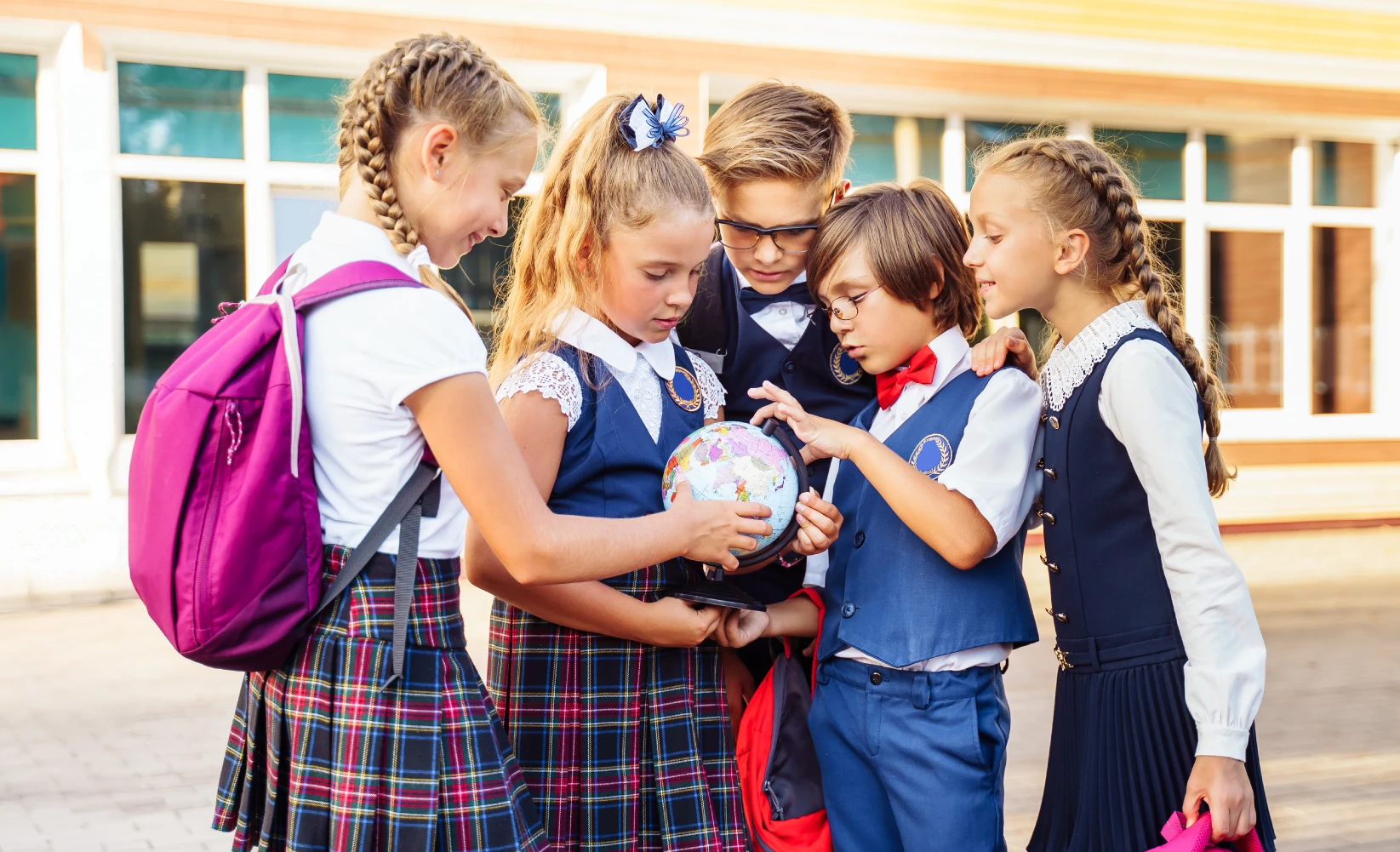
Have students explore a country from the Can Do Kids Worldwide globe and share 3 interesting facts they discover about its culture, geography, or people.
Extension: Students create a simple drawing or write a short paragraph about what they learned and present it to the class.