CONCACAF · Caribbean
Haiti
Les Grénats — Heart and Soul of the Caribbean
Haiti's football story is one of passion, pride, and a nation that refuses to give up. With just one FIFA World Cup appearance — a historic 1974 campaign that included a stunning upset of Italy — Haiti have always punched above their weight. A new generation of Haitian-American stars is now pushing Les Grénats back towards the world stage.

🎸Hey, I am Ace!
Hey! I'm Ace! Haiti's football story is one of my absolute favourites — did you know they qualified for the 1974 World Cup and scored against Italy to make the whole world take notice? Haitian football runs deep with passion, pride, and a never-give-up spirit that makes every match electric!
Quick Facts
Location
Caribbean island nation — western part of Hispaniola
Confederation
CONCACAF — Caribbean zone
World Cup Appearances
1 — the famous 1974 tournament in West Germany
Legend
Emmanuel Sanon — scored against Italy at the 1974 World Cup
Colours
Blue and red — the colours of the Haitian flag
FHF Founded
1904 — Fédération Haïtienne de Football
Discover Haiti
Haiti is a Caribbean nation that occupies the western third of the island of Hispaniola, which it shares with the Dominican Republic. It holds one of the most significant and inspiring places in world history — in 1804, Haiti became the first free Black republic and the first country to gain independence through a slave revolt, defeating Napoleon Bonaparte's army to achieve freedom. This extraordinary achievement made Haiti a symbol of freedom and liberation for oppressed people around the world.
Haiti is a country of mountainous terrain — in fact, its name comes from the indigenous Taíno word meaning "land of high mountains." The country has a tropical climate and is home to beautiful beaches, vibrant markets, and a rich artistic tradition. Haitian art, music (including the rhythmic kompa genre), and craftsmanship are celebrated worldwide. Port-au-Prince, the capital, is a bustling city that has shown remarkable resilience in the face of natural disasters.
With a population of around 11 million people, Haiti is the most densely populated country in the Caribbean. Haitian Creole and French are the official languages. Despite significant challenges, the Haitian people have maintained a rich cultural identity rooted in their African heritage, their history of resistance, and their deeply held traditions. Football is one of the most popular sports in Haiti, and the national team has competed in the CONCACAF Gold Cup and the FIFA World Cup.
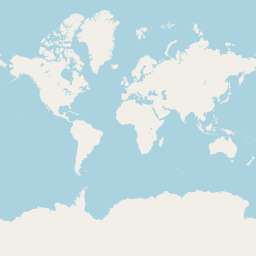
Map of Haiti

🌍 Where in the World
Flag of Haiti
Haiti's flag features two equal horizontal bands of blue and red, with the national coat of arms on a white square at the centre. The coat of arms depicts a palm tree, cannons, and the motto "L'Union Fait La Force" (Unity Makes Strength). The blue and red colours come from the French Tricolore — with the white strip removed to represent the rejection of French colonial rule.
⚽ The History of Football in Haiti
Football arrived in Haiti in the early 20th century, brought by French and British influences to what was then a young republic — Haiti had won its independence in 1804, becoming the world's first Black republic and the first Caribbean nation to gain independence. Football quickly became embedded in Haitian culture, and the Fédération Haïtienne de Football was founded in 1904, making it one of the oldest football associations in the Caribbean.
Haiti's greatest moment on the world stage came at the 1974 FIFA World Cup in West Germany. It was a historic achievement — the first time a Caribbean nation had qualified for the tournament. In their group they faced Italy, Argentina, and Poland. In the opening match against Italy, Haitian forward Emmanuel Sanon broke the legendary Italian goalkeeper Dino Zoff's remarkable 1,143-minute unbeaten streak, scoring to put Haiti 1-0 ahead — one of the tournament's most memorable moments. Though Haiti were eventually eliminated, the achievement remains a source of enormous national pride.
In the years since 1974, Haiti has remained a competitive CONCACAF nation without quite managing to repeat that historic World Cup qualification. However, the 21st century has brought new hope. A generation of Haitian-American and Haitian-diaspora players — many raised in the United States, Canada, and Europe — has begun to represent Haiti, bringing fresh quality and technical ability to the squad.
Haiti qualified for multiple CONCACAF Gold Cups in the 2010s and 2020s, including a memorable semi-final appearance in 2015. They are building steadily, and with the 2026 World Cup offering an expanded 48-team format, Haiti's dream of a second World Cup appearance feels more achievable than ever.
Key Results
- 1974Group Stage — West Germany (historic first!)
1974
Haiti's only FIFA World Cup — where Emmanuel Sanon ended Dino Zoff's legendary 1,143-minute unbeaten run
✨ Did You Know?
Emmanuel Sanon's Famous Goal
At the 1974 World Cup, Haitian forward Emmanuel Sanon scored against Italy to end legendary goalkeeper Dino Zoff's extraordinary 1,143 consecutive minutes without conceding a goal. It remains one of the most celebrated upsets in World Cup history and Haiti's most famous football moment.
The Caribbean's First Independence
Haiti was the world's first Black republic, gaining independence from France in 1804 — a fact Haitians carry with enormous pride. Their football team represents not just sport but the spirit of a resilient nation that has overcome extraordinary challenges to write its own story.
The Diaspora Generation
A new era of Haitian football is being powered by players raised in the USA, Canada, and Europe who proudly choose to represent Haiti. These diaspora players — many eligible for other nations — have chosen to honour their Haitian heritage, bringing higher technical quality to a team that is building steadily towards a return to the World Cup.
🌟 Famous Players
From the legendary Emmanuel Sanon's 1974 heroics to today's diaspora generation, Haiti has always produced players who play with passion and pride.
Emmanuel Sanon
1969–1978Haiti's greatest ever player and the hero of the 1974 World Cup. Sanon's goal against Italy — ending Dino Zoff's legendary unbeaten run — was one of the tournament's defining moments. A skilful, clinical striker who also had a successful club career in Belgium and the USA, he remains a beloved national hero.
Duckens Nazon
2014–presentA pacy and direct winger who plays in the French lower leagues and is one of Haiti's most dangerous attacking players. Nazon has been a key figure in Haiti's CONCACAF campaigns, using his speed and directness to trouble defenders and create chances for his team.
Wilde-Donald Guerrier
2012–presentA technically gifted midfielder who has played across Europe and the Americas. Guerrier's creativity, passing range, and ability to control the tempo of matches have made him one of Haiti's most important players in their push to return to World Cup qualification.
Steeven Saba
2019–presentPart of Haiti's exciting new generation, Saba brings pace, technical ability, and a hunger to succeed that epitomises the diaspora generation. Raised with exposure to professional football, these young players represent Haiti's best hope of returning to the World Cup stage.
📰 Recent Events
CONCACAF Gold Cup — Semi-finalists
Haiti reached the semi-finals of the CONCACAF Gold Cup in 2015 — their best result in the tournament since the 1970s. The achievement demonstrated that Haitian football was on the rise and capable of competing with the region's best teams.
CONCACAF Gold Cup — Quarter-finals
Haiti reached the quarter-finals of the Gold Cup, defeating Canada in the group stage and showing the quality of the diaspora generation. The tournament demonstrated Haiti's growth as a competitive CONCACAF nation.
CONCACAF Nations League & Gold Cup Campaigns
Haiti has continued to develop their programme through the CONCACAF Nations League, competing in Tier B and working to build depth in their squad. The nation is targeting their first World Cup qualification since 1974.
FIFA World Cup Qualification Dream
With the 2026 World Cup expanded to 48 teams and CONCACAF receiving 6 automatic berths, Haiti has a genuine opportunity to qualify for just their second World Cup. A diaspora-powered squad full of talent and pride is daring to dream of recreating 1974's magic.
Explore More Football Nations
Fifty years after Emmanuel Sanon shocked Italy and the world, Haiti's football family is working and dreaming of a return to football's greatest stage. With the 2026 World Cup on their doorstep, Les Grénats are building their greatest team since 1974.